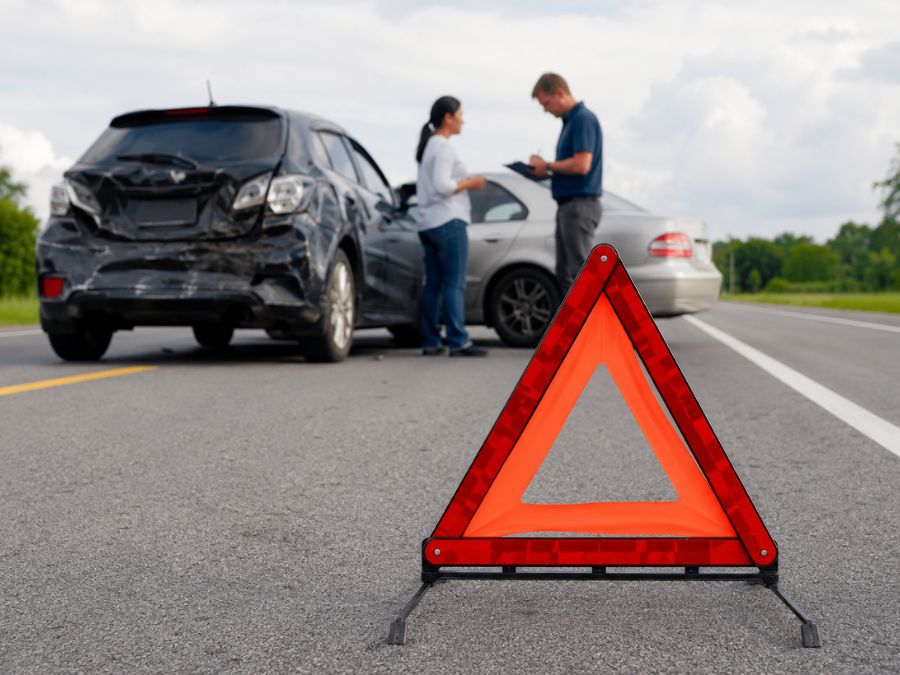
A car accident feels even more overwhelming when it happens while you are traveling.
You may be in a rental car, driving through a city you barely know, with kids in the back seat, luggage in the trunk, dinner reservations waiting, or a vacation rental check-in time on your mind. Maybe you are headed across the bridge to Hilton Head Island, navigating Charleston traffic, or trying to find your way through Myrtle Beach during a busy travel weekend.
In those moments, most travelers are not thinking clearly. They want to make sure everyone is safe, get the car moved, figure out what happens next, and somehow keep the trip from falling apart. That is understandable. But the decisions made in the first few minutes and hours after a crash can matter later.
Here are seven common mistakes tourists make after a car accident while traveling, and what to do instead.
Quick Action Checklist
If you are in a car accident while traveling, focus on the essentials first.
☐ Move to a safe place if you can do so without putting anyone at risk.
☐ Call emergency services if anyone may be injured or if the crash involves major damage, blocked traffic, or uncertainty about what happened.
☐ Exchange information, including names, phone numbers, license plate numbers, driver’s license details, and insurance information.
☐ Take photos of the vehicles, road, intersection, traffic signs, lane markings, and surrounding area.
☐ Ask witnesses for their names and contact information.
☐ Get medical care if you have pain, dizziness, stiffness, headache, numbness, or symptoms that get worse.
☐ Save important records including the police report number, rental car documents, medical paperwork, receipts, and all insurance communication.
☐ Avoid guessing about fault or saying you are fine before you know how you feel.
1. Leaving the Scene Too Quickly
When a crash happens away from home, the instinct is often to get out of the way as fast as possible. Tourists may feel embarrassed, confused, or worried about blocking traffic.
In a busy area near a beach entrance, resort district, shopping center, bridge, or unfamiliar intersection, the pressure can feel even stronger.
Safety comes first. If the vehicles can be moved and it is safe to do so, get out of traffic. But do not simply leave without exchanging information, checking for injuries, and making sure the crash is properly reported when necessary.
If you are in a rental car, you may also need documentation for the rental company. If another driver was involved, you need their information. If there is visible damage, injury, uncertainty about fault, or a dispute about what happened, it is usually wise to contact local law enforcement and request an official report.
A vacation schedule can be adjusted. Missing key details after a crash can create much bigger problems.
2. Not Getting Medical Care Because You Are Away From Home
Many travelers try to tough it out after a crash. They say they are fine because they do not want to spend vacation time in an urgent care waiting room. They worry about insurance coverage. They do not know where to go. They assume they can see their own doctor after they get home.
That may be fine for a truly minor situation, but it can be risky if there is pain, dizziness, stiffness, numbness, headache, back pain, neck pain, confusion, or any symptom that gets worse. Some injuries are not obvious right away, especially when adrenaline is high.
Seeing a medical provider also creates a record of what happened and when symptoms began. If you wait until you return home days or weeks later, it may be harder to show that the injury was connected to the crash.
Hilton Head Island, Bluffton, and the broader South Carolina coast have urgent care centers and medical providers used to seeing visitors. Getting checked does not mean you are making a big deal out of it. It means you are protecting your health.
3. Forgetting to Document the Scene
Tourists often assume the police report, rental car paperwork, or insurance process will capture everything. But small details can disappear quickly. Traffic clears. Vehicles are towed. Skid marks fade. Weather changes. Witnesses leave. Street lighting looks different later in the day.
Use your phone while you are still there, as long as it is safe. Think about photos in two categories.
Close-up photos: vehicle damage, license plates, broken glass, skid marks, airbags, visible injuries, traffic signs, road hazards, and anything that shows the physical details of the crash.
Wide photos: the full intersection, lane layout, traffic lights, stop signs, road curves, parking lot layout, nearby businesses, weather conditions, and where each vehicle came to rest.
Close-up photos show details. Wide photos show context. Both can matter later.
Guests who are focused on salvaging their trip or getting their family home may not realize that photographs, witness names, written reports, and medical records can become critical later. Personal injury attorneys who handle vacation injury cases, like Shelton Law Firm in Hilton Head, note that the goal in those early moments is simply to preserve an accurate record before the scene changes.
4. Not Getting Witness Information
In a city you know, you might be able to return to the area, ask nearby businesses for help, or remember who was around. When you are traveling, witnesses are often gone for good.
The person who saw the crash may be another tourist heading to dinner. A rideshare driver may leave within minutes. A shop employee may go off shift. A resort worker, valet, shuttle driver, cyclist, pedestrian, or parking attendant may have seen something important but never be identified later.
If someone saw what happened, politely ask for their name and contact information.
You do not need to pressure anyone. A simple request is enough.
“Would you mind giving me your name and number in case I need to explain what happened later?”
Witnesses can help clarify details that may be disputed later, especially if the other driver changes their story or if the crash happened in a confusing area.
5. Saying Too Much Before You Know What Happened
After a crash, many people become overly polite. They apologize. They downplay pain. They guess about fault. Travelers may be especially vulnerable to this because they feel out of place, are unfamiliar with the road, or are embarrassed about holding up traffic.
Avoid quick statements like:
- “I’m sorry.”
- “I did not see you.”
- “I am fine.”
- “This was probably my fault.”
- “I do not want to make a big deal out of this.”
It is better to stay calm and stick to facts. Use simple, honest language instead.
- “I am shaken up.”
- “I need to get checked before I know how I feel.”
- “I would like this documented.”
- “I am not sure exactly what happened yet.”
That kind of response is careful without being confrontational.
6. Assuming the Rental Car Company Will Handle Everything
Rental cars add another layer of confusion. After a crash, travelers may have to deal with the rental car company, their personal auto insurance, the other driver’s insurance, a credit card benefit, travel insurance, roadside assistance, and sometimes local towing or repair companies.
Do not assume one phone call solves everything. Rental car coverage does not always work the way travelers expect. Your personal auto insurance, credit card rental protection, travel insurance, and the rental company’s optional coverage may not all apply the same way. In some cases, there can be questions about which coverage is primary, what is excluded, and who handles the claim first.
Also ask about fees beyond visible damage. Some rental companies may charge for towing, administrative costs, diminished value, or loss of use — meaning the days the vehicle cannot be rented while it is being repaired. Those charges can surprise travelers who thought they were only dealing with the repair bill.
Read your rental agreement. Report the crash as required. Ask what paperwork the rental company needs. Save every email, receipt, report number, tow record, damage photo, and claim number. Be careful about signing forms you do not understand. If something seems unclear, ask for a copy and take time to review it.
7. Waiting Until You Get Home to Deal With the Details
Many tourists want to put the crash behind them and deal with everything later. That is understandable. Nobody wants a car accident to become the main memory of a family trip, beach weekend, or long-planned vacation.
But waiting can make everything harder. By the time you get home, you may have forgotten names, times, locations, and small details. The other driver may be harder to reach. Witnesses may be impossible to find. Medical symptoms may have changed. The rental company may have already opened a claim.
Before you leave town, take a few minutes to organize what you have. Save photos in one folder. Write down the location and time. Keep the police report number. Save medical paperwork. Screenshot messages. Keep rental car documents. Write a short note describing what happened while your memory is fresh.
What To Keep After a Travel Car Accident
After a crash while traveling, save anything that helps tell the story clearly.
- The police report number
- The other driver’s contact and insurance information
- Photos and videos from the scene
- Witness names and contact information
- Your rental car agreement and claim number
- Your personal auto insurance claim number
- Credit card rental coverage information
- Medical records and discharge papers
- Prescription receipts
- Towing or repair documents
- Hotel, vacation rental, or itinerary records
- Travel insurance information
- Messages with insurance companies or rental representatives
- Receipts for added transportation, canceled plans, or extended lodging
If the crash affected your trip, keep those records too. A simple folder on your phone can make the entire process easier.
A Smarter Way To Travel
Nobody plans a vacation around the possibility of a car accident. You plan around the good parts. The beach walk before breakfast. The seafood dinner after a long drive. The bike ride under live oaks. The first glimpse of the marsh as you cross onto Hilton Head. The family photo before everyone gets sunburned and tired.
Still, smart travel means knowing what to do when the unexpected happens.
If you are involved in a car accident while traveling, slow down. Get safe. Get medical care if needed. Report the crash. Document the scene. Save the records. Be careful with what you say. Do not assume the details will sort themselves out later.
A calm response can make a stressful travel day much easier to manage and can help protect you long after the trip is over.